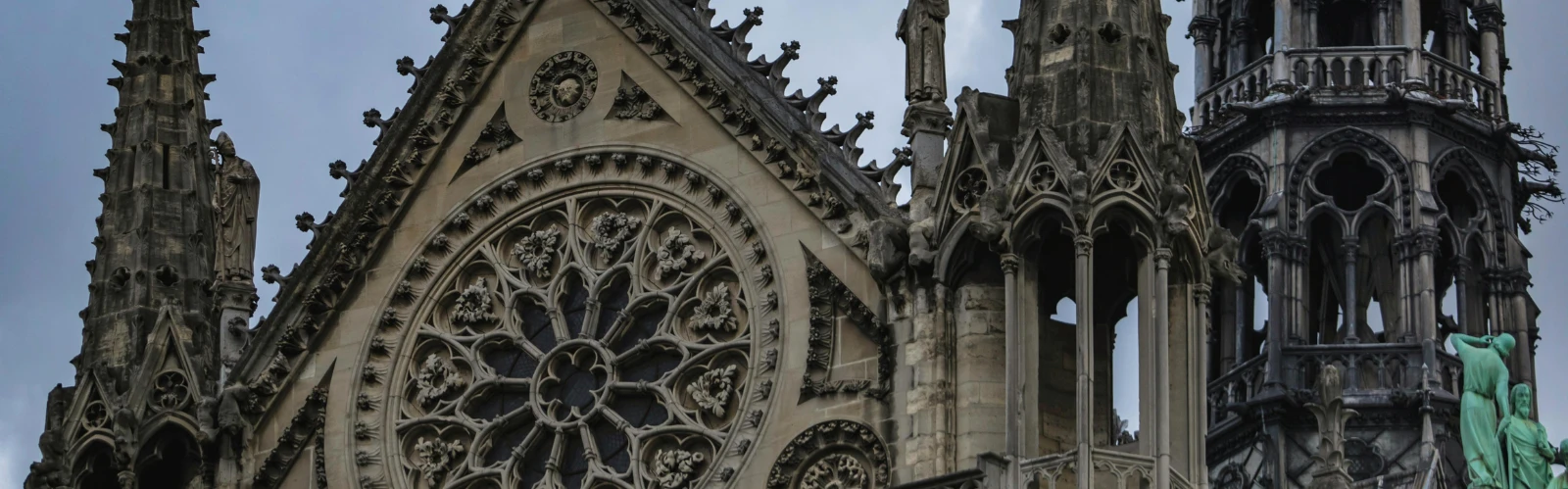
Admire the Gothic Architecture of Notre-Dame Up Close

There’s something unforgettable about the way Notre-Dame Cathedral rises above the Seine. Whether you're wandering along the river or ducking through cobblestone streets, this Gothic icon always seems to find its way back into view. And once you're standing at its doors—close enough to see the age in the stone—you realize this isn’t just a building. It’s a living chapter of Paris itself.
While many visitors pass through quickly, snapping a photo or two, admiring the Gothic architecture of Notre-Dame up close unlocks an entirely different experience. The details you might miss at a glance—the expressive gargoyles, the finely chiseled saints, the whimsical animal carvings—are what make this one of the most powerful historical landmarks Paris has to offer.
A Masterpiece Woven in Stone
If you’ve ever felt overwhelmed by the idea of Gothic architecture, you’re not alone. But Notre-Dame makes it feel accessible. It doesn’t lecture—it tells stories through sculpture and shadow.
Construction on Notre-Dame Cathedral Paris began in 1163 and spanned nearly 200 years. That’s part of what makes it so fascinating. Different generations of craftsmen left their mark, blending high-Gothic flourishes with earlier Romanesque influences. So, as you stand there looking up at the twin bell towers, you’re not just seeing a building—you’re witnessing centuries of ambition.
Stand beneath the west façade, and you’ll spot the Gallery of Kings: 28 biblical figures once mistaken for French royalty (which led to their beheading during the Revolution). Today, they’ve been restored—proof that even damaged history can be lovingly pieced back together.
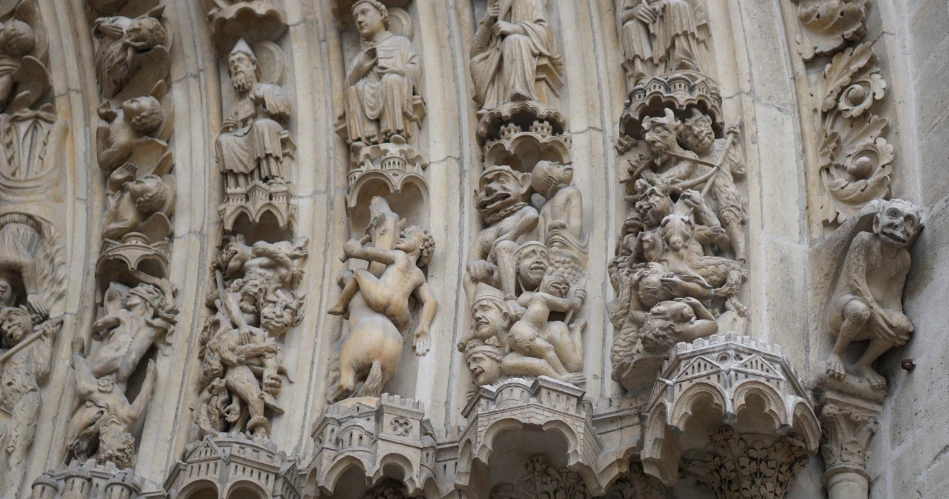
And just above the grand doors, notice the intricate tympanums—stone-carved scenes of Judgment Day, Christ enthroned, and the Virgin Mary’s life. They're not just decorative; they’re meant to teach, to warn, to comfort. And up close, they do exactly that.
Don’t Miss the Unexpected Details
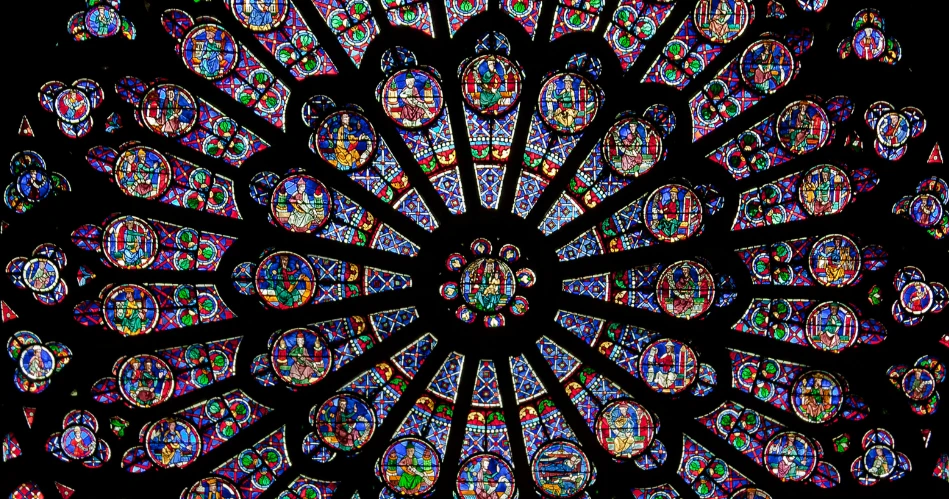
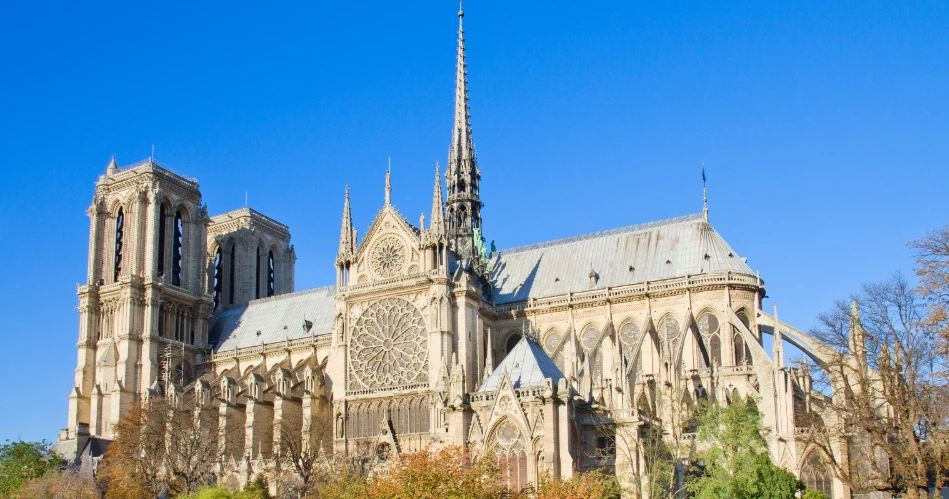
Even if you’ve seen photos of the cathedral before, nothing prepares you for the textures and surprises you’ll find when you slow down and look closely. It’s easy to get distracted by the larger elements—the flying buttresses or the stained-glass rose windows—but the magic often lies in the overlooked corners.
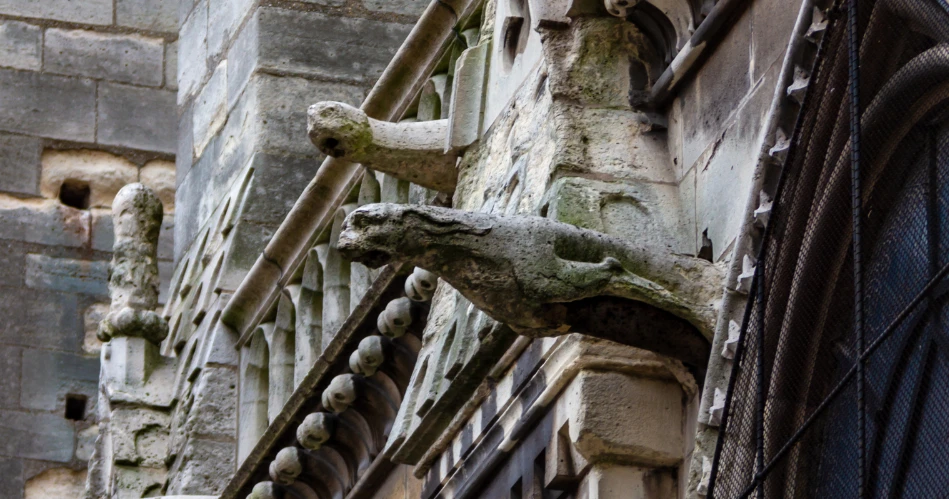
Take the gargoyles, for example. These spooky little figures perched along the edges aren’t just for show. Originally designed as water spouts, they helped protect the stone walls from erosion. Yet their faces—twisted, sneering, grinning—seem more mischievous than practical. They’re a reminder that even in a holy space, whimsy had a place.
Then there are the chimeras, added in the 19th century during a major restoration led by Eugène Viollet-le-Duc. These imaginative creatures—part lion, part bird, part fantasy—don’t function as drains, but rather add character to the upper galleries. Perhaps the most famous is the Stryga, the “spitting gargoyle,” who rests his head on his hands and gazes over Paris. He’s become a symbol of introspection, and honestly, it’s hard not to join him in just staring across the rooftops.
Throughout the cathedral’s exterior, you’ll also notice dozens of saints, martyrs, and angels—each carved with stunning individuality. It’s tempting to rush by, but take a beat. Look at the folds in their robes, the expressions on their faces. These aren’t generic religious icons; they’re characters in a drama of stone.
While the cathedral remains closed for interior visits due to the 2019 fire, much of the exterior remains accessible. Plus, apps like Clio or Smartify offer self-guided audio tours that bring the architecture to life, layering in history as you go.
A Witness to Parisian History
Notre-Dame isn’t just a backdrop for Gothic architecture lovers—it has witnessed some of the most defining moments in Paris’s history. Napoleon’s coronation? It happened right inside. Victor Hugo’s novel The Hunchback of Notre-Dame? It wasn’t just a story—it was a passionate plea to save the crumbling cathedral in the 1830s.
The building's survival through revolutions, world wars, and fire makes it more than one of the most iconic historical landmarks Paris has to offer—it’s a symbol of resilience. After the devastating blaze in 2019, Parisians gathered on bridges and riverbanks to watch in horror as flames swallowed the roof and toppled the spire. But they didn’t give up. Restoration began almost immediately, and full reopening is scheduled for 2025.
In fact, getting to admire the Gothic architecture of Notre-Dame up close today is like peering into a moment between chapters. Scaffolding hugs the cathedral’s edges. The scent of fresh stone-cutting mingles with that of centuries-old limestone. Workers move like monks in high-vis vests—quietly, carefully preserving something sacred.
It’s rare to see such a famous monument in transformation. It almost feels more intimate, more alive. This is not a ruin frozen in time. It’s a masterpiece in progress.
Make the Most of Your Visit
While you can’t currently go inside the cathedral, there’s still plenty to soak up from the outside—and even more in the surrounding area.
Start by approaching Notre-Dame from the Petit Pont on the Left Bank. This view—straight down the street with the towers rising above—is postcard perfect. Yet, it’s even better when you see the real thing. Then circle to the back of the cathedral along the Square Jean XXIII. Here, you’ll get a close look at the flying buttresses and the apse. These architectural marvels, like great stone wings, are what allow the interior to rise so high without collapsing inward.
And don’t skip the Crypte Archéologique, located just in front of the cathedral square. This underground museum offers a peek at the layers of history beneath the current cathedral—remnants of Roman settlements, medieval homes, and the Paris that once was.
If you're feeling reflective, the nearby Shakespeare and Company bookshop is the perfect place to wander. Grab a novel (maybe Hugo’s Hunchback) and sit by the Seine. There’s something special about reading the story while the cathedral that inspired it looms just across the water.
And finally, if you're hoping to see the cathedral in all her restored glory, consider using apps like TimeLooper or Google Arts & Culture, which allow virtual recreations of the original interiors, including the iconic rose windows and vaulted ceilings.
Notre-Dame Cathedral Paris remains one of the most unforgettable experiences the city has to offer—even when viewed from outside. It teaches us that Gothic architecture Paris-style isn’t just about pointed arches or stained glass—it’s about emotion, craftsmanship, and a sense of time stretching back far beyond our own.
So next time you're near the Île de la Cité, take a moment. Admire the Gothic architecture of Notre-Dame up close. Let your eyes wander the stone. Let your imagination do the rest.
You won’t forget it.

About Author
Isla is known as one of the best female solo travel bloggers today. She has been to Europe, UAE, and America and has penned down her experience in her blogs to inspire other travel enthusiasts.